Computer temperature
Why you need to cool your computer
You will need to keep your computer components at a reasonable temperature if you want to get the most out of them and avoid overheating. A fan is added to your configuration to ensure proper computer cooling and, more specifically, CPU cooling. It must fit the available space in your Tower, with the right fan size, number of units and connection type. Visit connectt-informatique.fr for more tips.
Cooling techniques
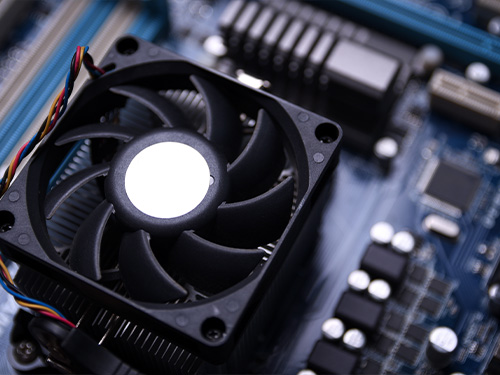
The original CPU fan
Original CPU fans provide basic cooling, but they often trade quiet operation for simplicity, which is why users may replace them with quieter solutions.
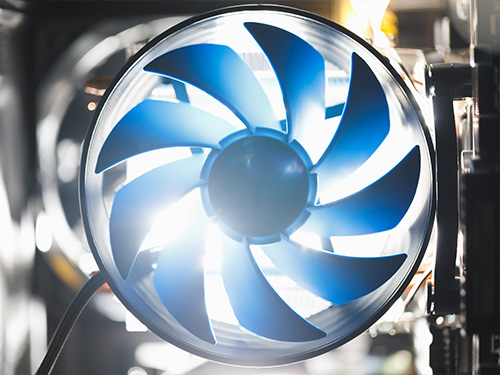
Medium range fan
A medium-range cooler can support CPU overclocking while helping make your computer quieter.
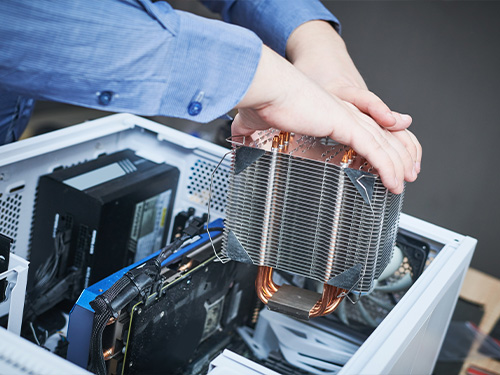
Top of the range cooler
A top-of-the-range cooler delivers high cooling performance with almost inaudible operation, making it suitable for high-end systems with limited space.
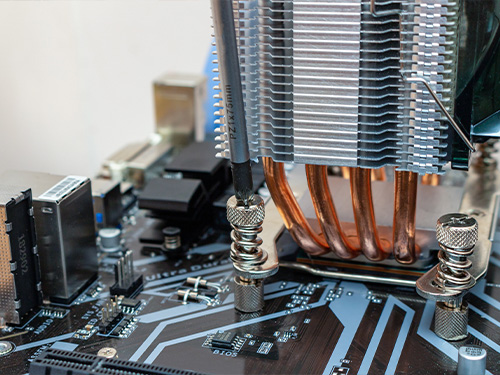
Ultra high end cooler
An ultra-high-end cooler is suited to advanced overclocking or maximum quietness. It can also be an option for i5 CPUs.
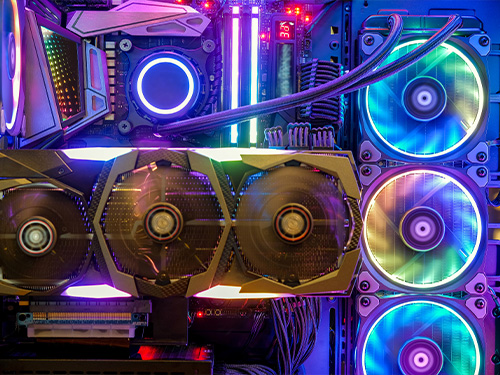
Extreme overclocking
This large cooling solution is intended for users pursuing extreme CPU overclocking.
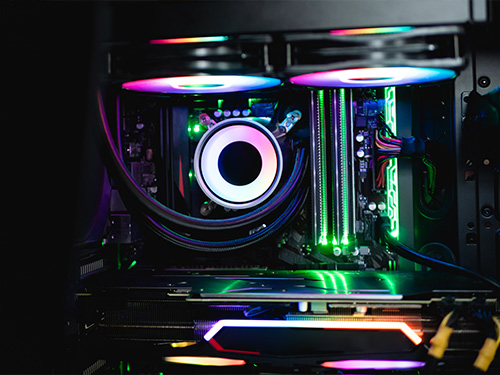
Watercooling
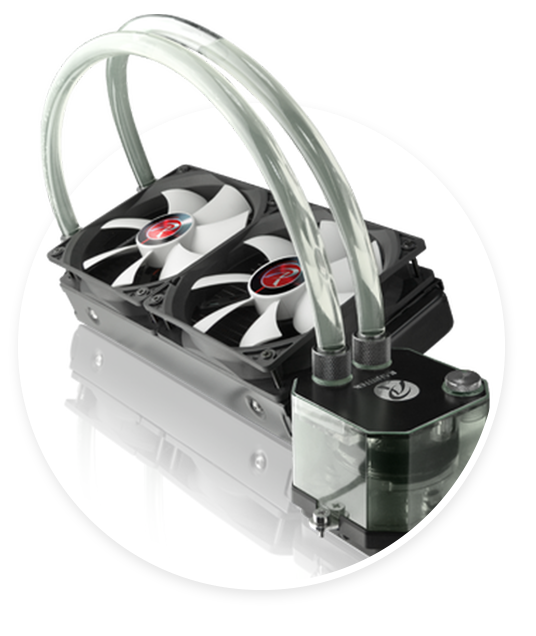
Pre-filled and hermetically sealed, this watercooling system is ready to use and does not require the maintenance associated with standard cooling systems.
Pick the right CPU fan
CPU fans to match your processor
CPU fans have an even more specific role because they cool the processor directly, helping reduce the risk of processor overheating. There are various solutions within the computer technology sector, where companies offer cooling options designed to fit both your processor and your Tower. Depending on the processor socket and brand, you can choose compatible fans. AMD processors can use sockets AM2, AM2+, AM3, AM4, FM2, FM2+ and TR4, while Intel processors use the LGA socket range, allowing you to refine the assembly of your Tower. You should also consider dimensions, especially fan height, so the cooler fits your configuration. Cooler materials may include aluminium, copper or plastic, used alone or in combination. A backlit cooling system is also possible, and models can vary in noise level.

For a CPU
First of all, consider your hardware: processor fans are designed to fit a particular socket. Check motherboard compatibility before choosing a cooler.

For a graphics card
Your graphics card fan may produce unpleasant noise. In that case, replace it with a quieter model without sacrificing performance.

For a PC case
If your PC case needs additional airflow, you can add a case fan or replace existing fans with quieter models.

For a laptop
A hot laptop that blows warm air continuously can be uncomfortable to use. To limit these issues, consider a ventilated cooler stand.
Watercooling: the ultimate cooling method
The efficiency and silence of watercooling
If you’re looking for quiet cooling, you may appreciate the watercooling systems offered by brands such as Cooler Master, Thermaltake, Corsair, EKWB or Asus, among others. Here too, you can choose models according to the processor type they need to fit. Available as a complete watercooling kit, a system to assemble or individual spare parts, liquid cooling can be built or upgraded component by component. Depending on the configuration, radiator sizes range from 120 to 420 mm, and the system may also include lighting or colored coolant. Thermal paste is also used during assembly and is applied between the CPU cooler and the CPU.